Biomechanical alignment
Pivot positions, handles, stride patterns, and resistance paths are evaluated for repeatable movement, not brochure-level novelty.
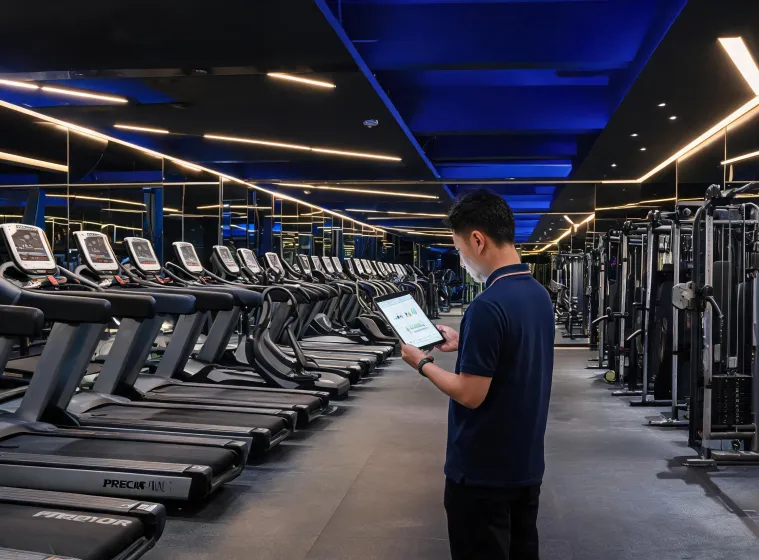
Precor helps procurement teams specify commercial cardio equipment, strength training equipment, and high-traffic activity zones with measurable duty cycle, biomechanics, service access, and lifecycle cost data.
Each Precor recommendation is framed around the numbers that matter in a staffed facility: daily traffic, structural load, console connectivity, wear-part access, and maintenance cadence.
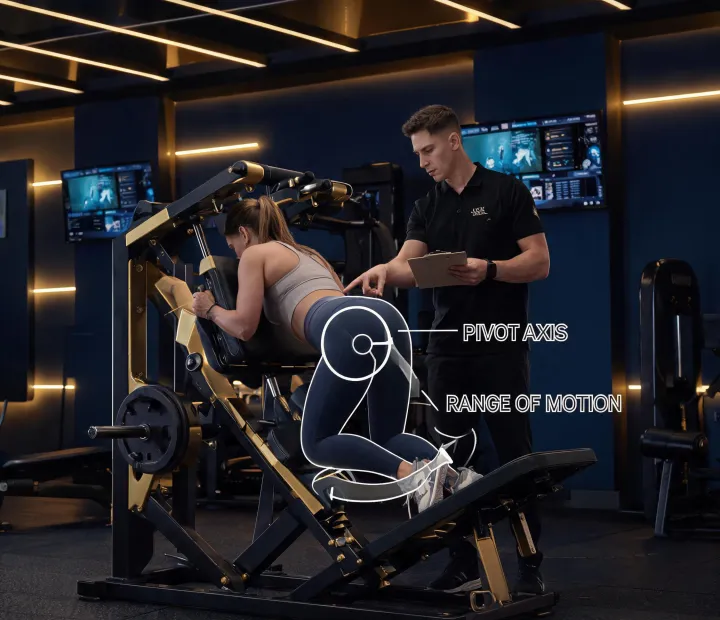
Pivot positions, handles, stride patterns, and resistance paths are evaluated for repeatable movement, not brochure-level novelty.
Cardio rows and strength zones are specified around occupancy, cleaning access, queue pressure, and supervised training flow.
Wear parts, diagnostic access, and preventive tasks are visible before rollout so operators can forecast downtime windows.
Usage hours, equipment occupancy, and repair history can be translated into refresh planning and capital budget evidence.
"Our committee needed duty-cycle language that finance, trainers, and maintenance could all read from the same sheet."
"The decisive detail was not the console. It was the service path, belt access, and the five-year replacement model."
"Strength stations had to match coaching movement standards and still survive unsupervised student traffic."